First visit? Trekking, reporting, queue and route details: To be verified
Today: To be verified • Peak:
To be verified
Jyotirlinga No. 6
Bhimashankar Jyotirlinga Temple
Sahyadri Hills near Pune, Maharashtra
★Deity: Lord Shiva as Bhimashankar Jyotirlinga
Bhimashankar Jyotirlinga Temple is revered as Jyotirlinga No. 6,
the sixth among the 12 Jyotirlingas, and stands in the Sahyadri
Hills near Pune in Maharashtra.
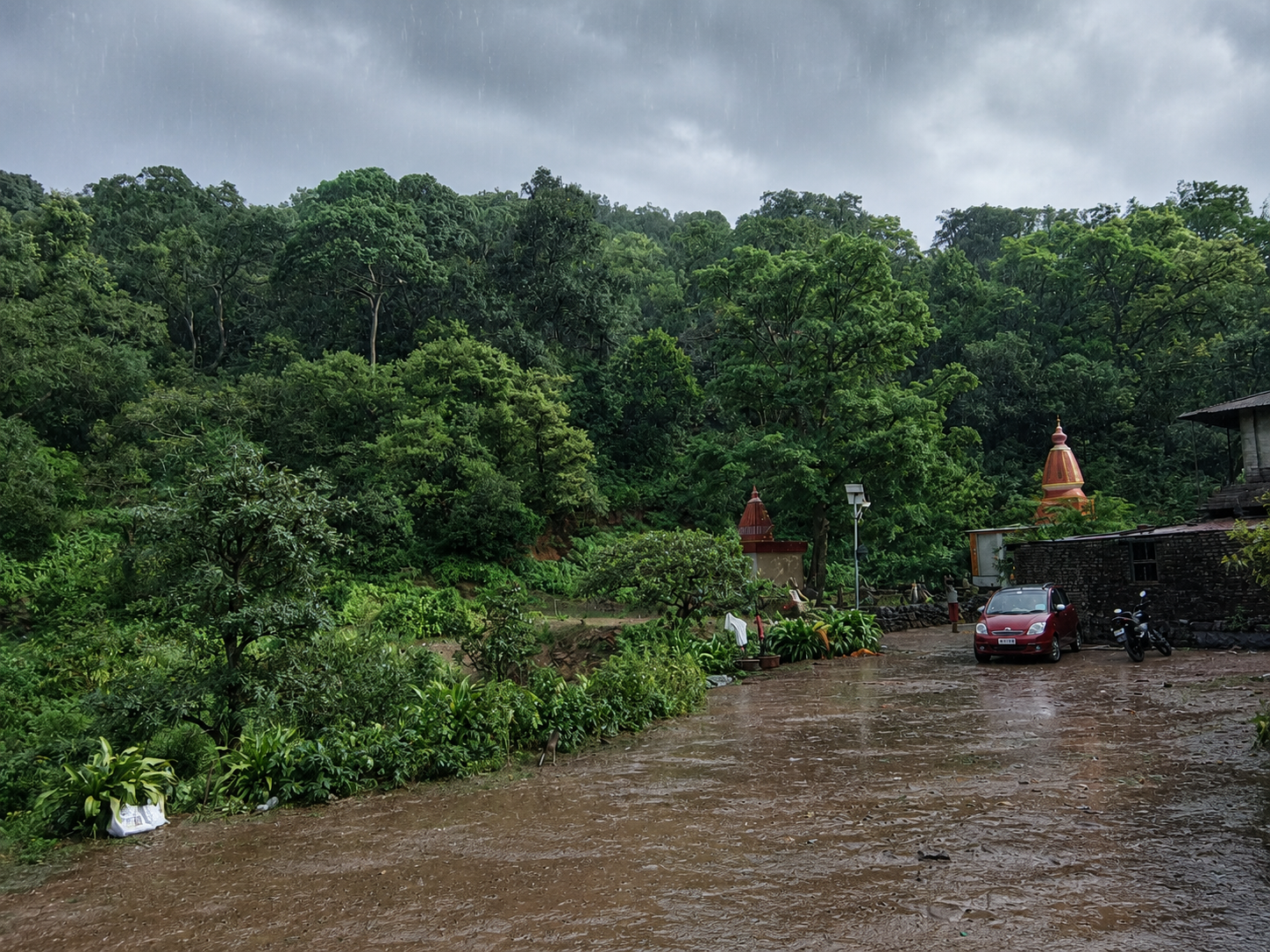
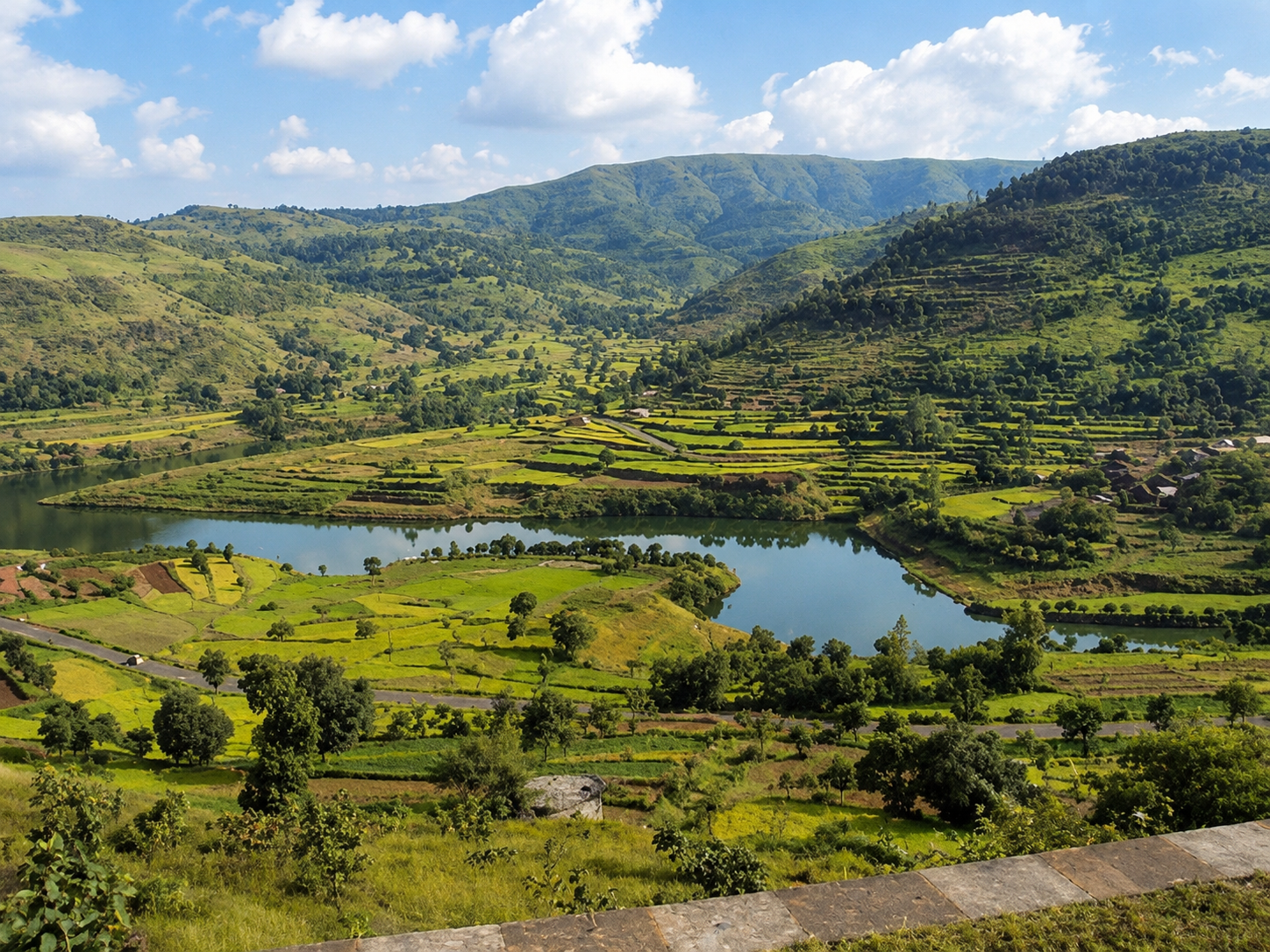
The shrine is surrounded by dense forests, wildlife, waterfalls,
and mountain scenery, and is known for ancient Shiva worship,
Nagara-style architecture with Maratha influences, the sacred
origin tradition of the Bhima River, and its peaceful forest
atmosphere for pilgrimage and meditation.
Timings, forest-route access, trekking conditions, crowd flow,
aarti sequence and booking details: To be verified.
Meaning of Bhimashankar
Lord Shiva who destroyed the demon
Bhima
Bhima is connected with the
demon Bhima, Shankar means Lord Shiva, and Bhimashankar means
Lord Shiva who destroyed the demon Bhima.
Bhima = Demon BhimaShankar = Lord ShivaDestroyer of Bhima
Temple Status
To be verified
Live status and queue
guidance: To be verified
Crowd Expectation
To be verified
Festival, trekking and
aarti crowd pattern: To be verified
Current crowd estimate: To be verified
Next Aarti
To be verified
Aarti sequence and
reporting window: To be verified
Best Darshan Window
To be verified
Lower-rush darshan window:
To be verified
Verify First
Plan route, queue and forest access first, then lock your darshan
timing.
Today: Crowd, access and trekking condition updates: To be verified
Understanding the sacred setting, river origin tradition and
spiritual importance of Bhimashankar
One
of the 12 Jyotirlingas of Lord Shiva and revered as the
sixth Jyotirlinga
Located in the Sahyadri Hills
near Pune in Maharashtra
Connected with the origin of
the sacred Bhima River
One
of the important forest pilgrimage and meditation
destinations with east-facing shrine identity
Bhimashankar Jyotirlinga Temple is one of the sacred 12
Jyotirlingas of Lord Shiva and is regarded as the sixth
Jyotirlinga. It is located in the Sahyadri Hills near Pune in
Maharashtra and is surrounded by dense forests, wildlife,
waterfalls, and mountain scenery.
The shrine is associated with ancient Shiva worship,
Nagara-style architecture with Maratha influences, and the origin
of the sacred Bhima River. Its peaceful forest atmosphere makes
Bhimashankar an important pilgrimage and meditation destination.
The temple mainly faces east, and east-facing temples are
traditionally considered auspicious because they welcome the
rising sun and symbolize positivity, purity, and divine
energy.
Bhimashankar is not just a temple
- it is a forest path of Shiva devotion, protection and inner
stillness.
Bhimashankar’s sacred mythology is tied
to Lord Shiva’s protection of devotees, the defeat of the demon
Bhima, and the origin tradition of the Bhima River.
According to tradition, Lord Shiva
appeared in a fierce form to destroy the demon Bhima, rescue the devoted
King Kamarupeshwar, and then manifested there as the Bhimashankar
Jyotirlinga.
Sacred legend
According to legend, a powerful demon named Bhima
performed severe penance and received great powers.
Filled with pride and anger, Bhima troubled sages,
devotees, and innocent people across the region.
The demon imprisoned a devoted Shiva worshipper named King
Kamarupeshwar and tried to stop the worship of Shiva.
Devotees prayed to Lord Shiva for protection, and Shiva
appeared in a fierce form to destroy Bhima and protect his
devotees. After defeating the demon, Shiva manifested
there as the Bhimashankar Jyotirlinga.
It is also believed that the sweat flowing from Shiva after
the battle formed the origin of the sacred Bhima River,
which deepens the shrine’s identity as a sacred river
and forest Jyotirlinga.
Demon Bhima
Penance, pride and oppression
Bhima is remembered as the powerful demon whose cruelty led
devotees to seek Shiva’s protection.
King Kamarupeshwar
Devoted Shiva worshipper
The imprisoned king represents unwavering devotion even in
the face of fear and persecution.
Bhima River origin
Flow from Shiva after battle
Tradition links the sacred river’s origin with the
sweat of Shiva after defeating Bhima.
Temple History
Bhimashankar has ancient roots in Shaivism
traditions and later developed through forest pilgrimage routes, Maratha
patronage, and continued devotional care in western India.
Important contributions are associated
with Nana Phadnavis and Chimaji Appa, including improvements to the temple
complex and the famous Portuguese bell linked with 1739 Maratha
victory.
Sacred timeline
The temple has ancient roots and is associated with
long-standing Shaivism traditions, medieval Maratha
history, and forest pilgrimage routes. Over time,
Bhimashankar became an important spiritual center in
western India for devotees seeking Shiva worship in the
quiet of the Sahyadri forests.
Several rulers and devotees contributed to the
restoration and maintenance of the temple complex over
centuries, especially during the Maratha Empire period.
Important contributions are associated with Nana
Phadnavis, who helped in rebuilding and improving parts
of the temple complex, and Chimaji Appa, who donated the
famous Portuguese bell after defeating the Portuguese in
1739.
Sacred continuity
Shaivism and forest pilgrimage routes
Bhimashankar grew through ancient Shiva worship and the
devotional forest routes of western India.
Maratha period
Nana Phadnavis and temple improvements
Maratha-era support helped preserve and strengthen the
temple complex for continuing worship.
Portuguese bell
Chimaji Appa after 1739 victory
The famous bell is traditionally associated with
Chimaji Appa’s victory over the Portuguese.
Temple Architecture & Design
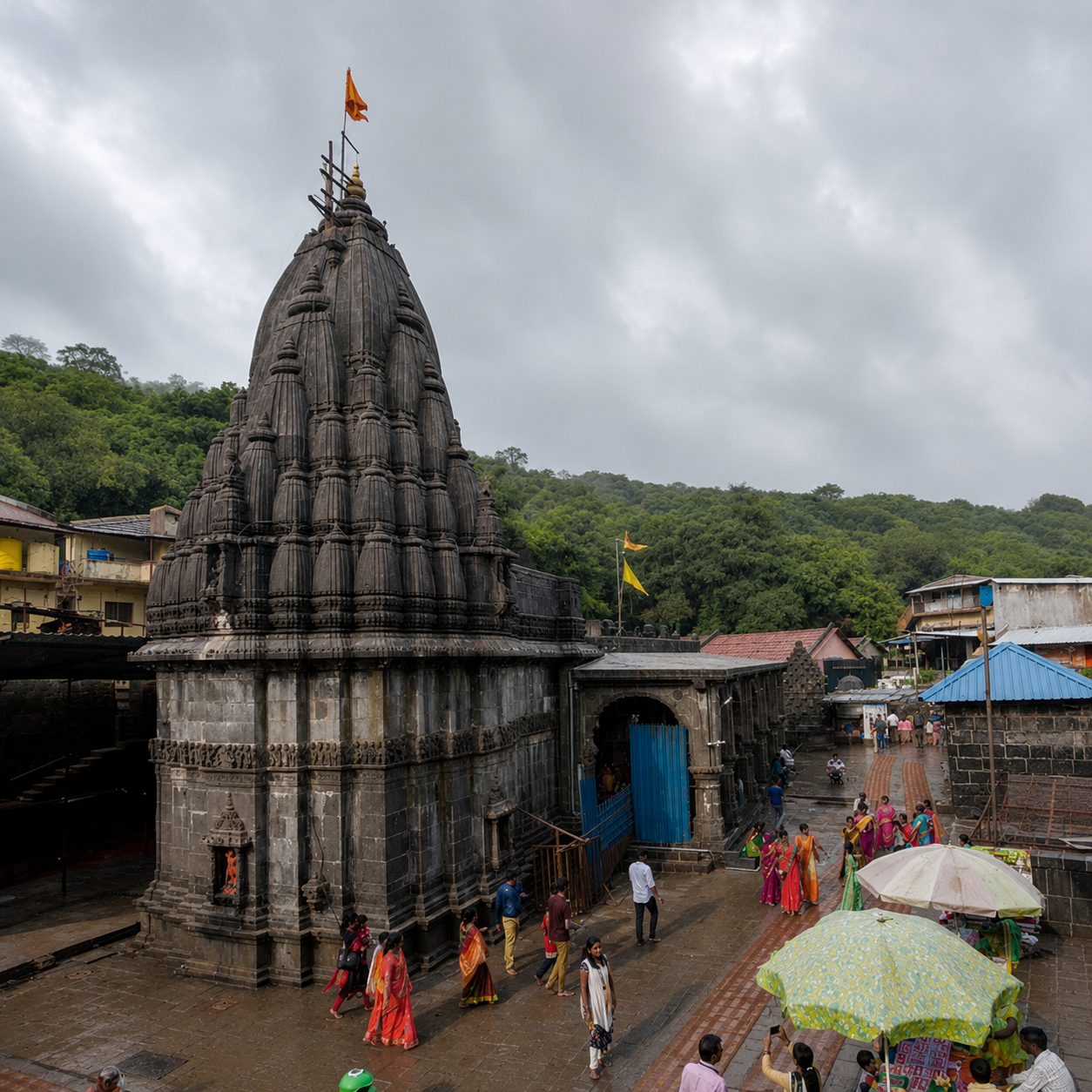
Bhimashankar reflects Nagara-style
architecture with Maratha influences, shaped by ancient stone temple
craftsmanship and the peaceful forest setting of the Sahyadri Hills.
The temple combines an ancient stone
structure, intricately carved pillars and walls, wooden-style mandapa
influences, and the memory of the famous bell gifted during the Maratha
period.
Sacred design
The temple is built in Nagara-style architecture with
Maratha influences. Its ancient stone structure, carved
walls, and intricately worked pillars preserve a sacred
design language that combines old stone temple tradition
with the devotional character of western India.
Parts of the mandapa are associated with wooden-style
influences, and the shrine preserves a combination of
ancient and medieval architectural traditions. The famous
bell gifted during the Maratha period also remains an
important architectural and historical feature of the
temple complex.
Bhimashankar’s peaceful forest surroundings further
shape the experience of the temple, making the sacred
structure feel deeply connected to the mountains, trees,
and pilgrimage paths around it.
Architecture style
Nagara with Maratha influences
The design blends sacred Nagara form with western Indian
devotional history.
Temple fabric
Stone carvings and mandapa detail
Carved pillars, walls, and wooden-style elements shape the
atmosphere of the mandapa.
Maratha memory
Portuguese bell and forest calm
The bell, stone complex, and forest surroundings together
define Bhimashankar’s distinctive sacred setting.
Spiritual Importance & Sacred
Features
Bhimashankar is revered for protective Shiva
worship, forest spirituality, Bhima River origin tradition, and a sacred
atmosphere shaped by wildlife, mountains, silence, and devotion.
Worship at Bhimashankar is believed to
remove negative energies and bring strength, peace, and protection, while
the Sahyadri forest setting deepens meditation and devotion.
Sacred devotion
Worship at Bhimashankar is believed to remove negative
energies and bring strength, peace, and protection.
Devotees associate the temple with Shiva devotion,
meditation, and forest spirituality, and many believe
Lord Shiva protects his followers from fear and evil
forces.
Bhimashankar is also revered as a forest Jyotirlinga
located deep within forested mountain ranges. The shrine is
connected with the origin of the sacred Bhima River and
with the Bhimashankar Wildlife Sanctuary, which is also
known for the Indian giant squirrel and the quiet natural
beauty of the Sahyadri landscape.
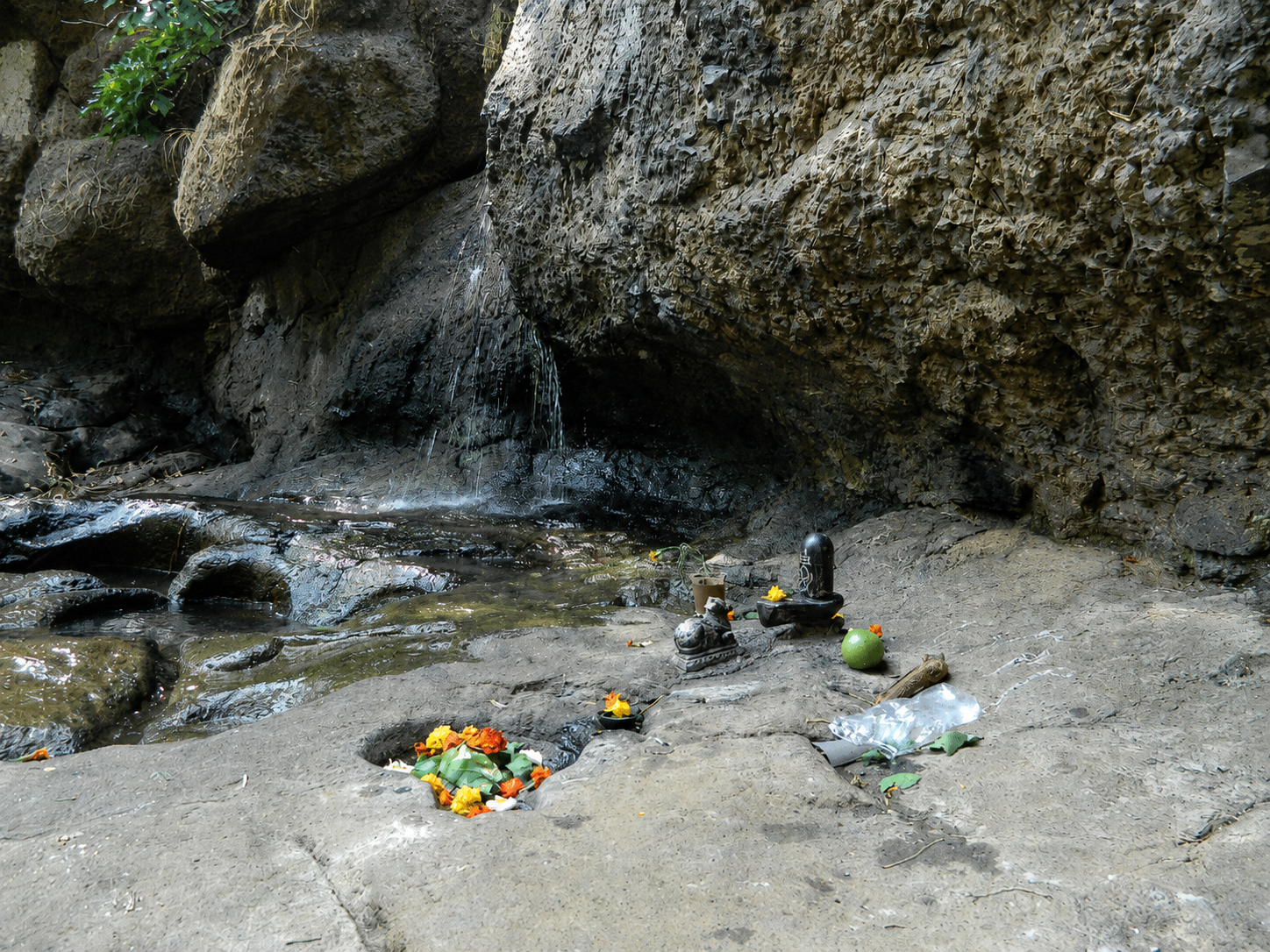
The temple is traditionally associated with a
Swayambhu, or self-manifested, Lingam, a spiritual
trekking destination, an ancient Portuguese bell, and a
traditional Shaakini-Daakini connection. Together with its
peaceful forest setting, these features make Bhimashankar
an important pilgrimage and meditation destination.
Origin
of the sacred Bhima River
Forest
Jyotirlinga deep within mountain ranges
Bhimashankar
Wildlife Sanctuary and Indian giant squirrel
Swayambhu
or self-manifested Lingam
Spiritual
trekking destination
Ancient
Portuguese bell
Shaakini-Daakini
connection and meditation atmosphere
Forest sanctity
Wildlife sanctuary and trekking devotion
The temple’s remote forest setting reinforces its
identity as a sacred trekking and meditation destination.
Sacred identity
Bhima River origin and Swayambhu Lingam
The shrine is linked with both the river-origin legend and
the reverence of a self-manifested Lingam.
Protective worship
Strength, peace and protection
Devotees come seeking relief from fear, negative forces,
and inner unrest through Shiva worship.
Darshan Process
A quick visual flow from entry point to
exit.
Average total time: To be
verified
Verify Before Visit
1
Reach Temple Area
Use the approved drop
point and move toward the temple approach.
2
Clear Security
Phones, bags and
restricted items are checked before entry.
3
Join Queue Lane
Enter the assigned lane
and keep darshan items ready in hand.
4
Move Final Stretch
The last approach is
controlled in batches near the shrine.
5
Take Darshan
Darshan is brief, so
move calmly and follow temple volunteers.
6
Follow Exit Flow
Continue through the
managed exit toward the temple-side route and onward path.
A simple 3-step journey to Bhimashankar
Temple, Bhimashankar, Pune district
1
Step 1
Reach the City
Choose the most practical rail, air or road combination for reaching Bhimashankar.
Air
Pune airport access: To be verified
Airport transfer and final route: To be verified
Rail
Pune rail access: To be verified (BSB)
Rail transfer and temple approach: To be verified
Road
Well connected by NH-19, NH-31
Regular buses, taxis and state transport from major cities
Bhimashankar is well connected to Delhi, Prayagraj, Lucknow, Patna, Kolkata and other
major cities.
2
Step 2
Local Transfer
From the airport, railway station or bus stand, continue to the temple area.
Taxi / App Cab
Available 24/7
Recommended for a comfortable and direct ride
Auto / E-rickshaw
Readily available for shorter distances
Negotiate fare or use meter if available
Local Transport
City buses and shared autos
Connect major points in Bhimashankar
Travel Time
30 - 60 minutes from airport
15 - 30 minutes from railway station, depending on traffic
Most visitors continue by taxi/auto from the airport or station.
3
Step 3
Final Temple Access
Reach the temple complex through the designated pedestrian route.
Pedestrian Corridor
A dedicated walking lane leads to the temple
Vehicles are not allowed near the main gate
Security Check
All visitors must pass through security screening
Before entry
Walking Distance
Approx. 300 - 800 meters walk
From the nearest drop-off point to the temple entrance
Shuttle / Assistance
Local shuttles, e-rickshaws and porter services
May be available as permitted
Plan for a short walk. Keep footwear comfortable and carry only essentials.
Important Travel Note:
Private vehicles may not be allowed up to the main temple gate. The final access is
usually by walking or local shuttle/auto as permitted by local authorities. Check local
guidelines before your visit and plan a little extra time for the last stretch.
Based on current temple
schedule. Details may change.
Temple StatusTo be verifiedBased on current
time in IST and listed daily schedule.
Today's
TimingTo be verified
Next AartiTo be verifiedTo be verifiedBest Darshan WindowTo be verifiedTo be verifiedCrowd ExpectationTo be verifiedTo be verifiedTemple
ClosesTo be verifiedListed daily
closing time
Most devotees only need general darshan
timing, but special pujas and
aarti access usually work better when you plan the booking method and
reporting time in advance.
Verify Before Visit
Morning / Main Aarti and Rudrabhishek are
the most commonly planned ritual bookings, and both usually work best
through verified temple channels.
Early-morning access
Morning / Main Aarti
One of the most sought-after devotional experiences at
Bhimashankar, especially for devotees planning a focused Shiva visit. Current access, reporting and aarti details are To be verified.
BookingOfficial portal booking
is
the safest option for planned visits
Timing noteVery early morning
reporting is usually required
Advance suggestionReserve early
if
your trip depends on this slot
Most common ritual
booking
Rudrabhishek
This is the main puja many devotees plan in advance. It
is
suited to pilgrims who want a more focused Shiva worship
experience beyond standard queue darshan.
BookingOfficial online booking
or
temple help desk guidance
Timing noteUsually arranged
within
daytime ritual hours
Advance suggestionBook ahead if
you
want a preferred date and smoother
reporting
Ticketed aarti windows
Bhog, Saptarishi and Evening Aarti
These aarti slots are useful for devotees who want a
specific
ritual window rather than only general darshan,
especially
during a shorter temple visit.
BookingCheck official slot
availability before arrival
Timing noteAccess is tied
closely
to the listed aarti window
Advance suggestionKeep buffer
time
because public movement may pause around
entry
Longer ritual planning
Laghu Rudra and special pujas
Devotees planning a more elaborate ritual should confirm
current procedure carefully because reporting, priest
allocation and temple coordination can vary by puja
type.
BookingBest handled through the
official portal and temple support desk
Timing noteSome rituals need
extra
coordination beyond a standard darshan
visit
Advance suggestionDo not leave
these bookings to the last minute
For most devotees, Bhimashankar planning is about both season and route conditions. Comfortable weather can help with hill access, while early darshan may improve the overall temple experience.
Most balanced season
October to February
Cooler temperatures make it easier to walk the lanes, move
between route changes and temple access points, and handle longer
devotional days in the city.
Spiritually intense period
Shravan and major Shiva festivals
These periods are deeply powerful for devotees, but they also
bring heavier crowds, longer waits and more tightly managed
movement around the shrine.
Best daily window
Early morning visits
Morning darshan often feels more focused and spiritually
charged, especially for visitors who want to pair temple
worship with a calmer temple approach later.
Nearby Temples & Spiritual Circuit
Important pilgrimage stops to consider around Bhimashankar Temple
Bhimashankar Wildlife Sanctuary
To be verified
Forest sanctuary
zone linked with Bhimashankar’s wildlife,
trekking, and peaceful mountain pilgrimage
atmosphere.
Traditional offerings at Bhimashankar
are simple, devotional and
closely tied to Shiva worship, with puja essentials and sacred rituals
usually arranged through trusted local vendors or approved temple
channels.
Flowers, bel patra and simple Shiva
puja items remain the most familiar offerings for devotees visiting
Bhimashankar.
Flowers
Fresh flowers are among the most common devotional
offerings for Lord Shiva and are easily available
through trusted local vendors near the temple
approach.
Bel Patra
Bel patra remains one of the most symbolically
important
offerings in Shiva worship and is often part of
simple,
focused puja at Bhimashankar.
Milk Abhishek
Milk-based abhishek offerings are widely associated
with
Shiva worship. Devotees should follow current temple
rules and approved puja procedures before bringing
items
inside.
Rudrabhishek
Rudrabhishek is one of the most sought-after temple
rituals for devotees seeking a deeper spiritual
offering
experience at Bhimashankar.
Offering Preview
Active offering
Flowers
Active offering
Bel Patra
Active offering
Milk Abhishek
Active offering
Rudrabhishek
Before You Visit (Important Tips)
Short reminders that help avoid confusion
and keep darshan smoother.
Avoid These Mistakes
Don't
carry mobile inside temple.
Don't
come late for aarti slots.
Avoid
peak hours if possible.
Helpful Tips for Smooth Darshan
Reach
early morning for smooth darshan.
Keep
offerings ready before entry.
Follow
local queue instructions.
Before You Visit
A little planning before you leave for the
temple usually makes the
darshan experience calmer, especially when route access and trekking conditions need verification.
Arrival checklist
Prepare these basics before entering the temple zone
Carry minimal
essentials so security checks and deposit needs stay
manageable.
Confirm the
latest darshan or aarti timing before you leave for
the temple.
Arrive earlier
than usual on Mondays, Shravan dates and major
festival days.
Keep extra
buffer time for queue movement, checkpoints and
final approach access.
Use
comfortable footwear for the walking approach and
city lanes.
Keep booking
confirmation and ID easy to access if your ritual
slot requires verification.
Planning note
Plan for the full arrival flow, not just temple
timings
Travel time, forest route access, security checks and
queue pauses can easily add more time than first-time
visitors expect.
Dress Code & Allowed Items
Simple, respectful choices usually make the
visit smoother than trying
to manage extra items near a tightly monitored temple entry.
Modest clothing, light items and
simple offerings usually make entry, walking and security checks much
easier.
Clothing
Dress modestly and comfortably
Temple-appropriate clothing is the easiest choice for
darshan
lines, walking access and longer devotional visits.
Modest clothing
is
generally the safest option.
Choose easy,
comfortable clothing for walking and
waiting.
Restricted items
Check the current rules before you carry extras
Bag, phone, electronics and deposit rules can vary by
crowd
control setup, temple guidance and security
enforcement.
Confirm the
latest rules for bags, phones, electronics and
leather items.
Security and
deposit procedures may change with the
situation.
Offerings
Keep puja items simple and temple-appropriate
Simple offerings are easier to manage and more likely to
fit
current entry expectations near the temple complex.
Keep offerings
modest,
clean and appropriate for Shiva
worship.
Confirm
local
guidance if you plan to carry special ritual
items.
Accommodation Near Temple
Where you stay affects how easy an early
darshan day feels, especially
when route access, hill approach and transfer timing become part of the plan.
Staying near the temple precinct or a
practical transfer point usually makes early darshan planning much
smoother than depending on long city transfers.
Best area to stay
Choose a base that supports your darshan timing
If temple access is the priority, stay in an area that
keeps
the morning approach manageable instead of adding a long
transfer before the queue.
Temple precinct or local approach zone
Useful for temple-side access
Staying near the temple-side approach can
make
it easier to combine darshan, local movement and a
nearby stop
visit in one day.
Near railway station
Practical for shorter trips and easier transfers
This area can work better for visitors arriving by train,
carrying luggage or prioritizing simpler onward travel
over
walkable local access.
Budget and comfort
Balance price, access and early-start convenience
Budget stays can work well if access is clear, while
comfort
stays are often worth considering when your visit
depends on
rest, early reporting or family travel.
Convenience note
Remote stays can be scenic but slower for arrival
Staying too far from the temple approach may feel convenient for some routes,
but it can complicate luggage movement, auto drop-offs and very
early temple starts.
Official Info & Booking Help
Use official confirmation for ritual
planning whenever your visit depends
on a specific booking, reporting time or access rule.
Use official sources first whenever
your visit depends on a puja slot, reporting window or paid ritual
booking.
Where to confirm
Start with official sources
For puja access, timing changes and reporting
instructions,
official guidance should be your first reference point.
Temple sourceCheck official
temple
source
Booking accessConfirm from
official booking portal
Special pujasUse official
helpdesk
guidance for ritual-specific support
Before you depend on a
booking
Verify the process before you travel
Reporting windows, entry rules and ritual availability
can
shift, so final confirmation matters even after you plan
the
trip.
Ritual processConfirm the
latest
booking method from the official source
Reporting timeCheck the current
reporting window before reaching the
temple
Third-party cautionAvoid
relying
only on unverified third-party booking
claims
Trust reminder
Use verified guidance when the visit depends on a paid
ritual
If your darshan day depends on a specific aarti or puja slot,
re-check official instructions shortly before travel rather than
depending only on older summaries or unofficial listings.
Temple Location
Use this location snapshot for last-mile
planning around the temple precinct, the sanctuary approach and your arrival point.
CityBhimashankar
StateMaharashtra
LandmarkBhimashankar Temple and sanctuary approach
Railway StationPune rail access: To be verified
AirportPune airport access: To be verified
AccessForest route, road approach and final trek/walk: To be verified.
Live Darshan Preview
Internal live accessOpen Divine Temple Guide live darshan for the active viewing
route.
Live darshan access
Live Temple Darshan
This sidebar card keeps live darshan discoverable on the temple page
while routing viewing access through the Divine Temple Guide live section.
Use the internal
live-darshan page for the next step.
Daily opening, closing, darshan and aarti timing details
should be verified before travel, especially if your visit
depends on a specific ritual window.
October to February is usually the most comfortable season for
temple visits in Bhimashankar. For a calmer experience, early
morning darshan is often preferred, especially outside major
festival dates.
Devotees should wear modest, temple-appropriate clothing.
Comfortable footwear helps before the final deposit point,
and simple traditional or respectful attire is the safest
choice for darshan and aarti visits.
Expect security checks, managed queue movement and
restrictions on phones, bags or certain items in sensitive
entry zones. Traveling light and verifying route access
early generally makes the process easier.
Yes, major aartis such as Morning / Main Aarti are key attractions
for devotees. Availability, access procedure and any booking
requirement can vary, so it is best to confirm the current
process before visiting.
Mobile phones and electronic items are usually restricted near
the main temple entry. Use locker/deposit facilities or
confirm latest rules before visiting.
Locker or deposit facilities may be available near the temple
approach, but availability can change based on crowd and
security arrangements.
General darshan may take 45–90 minutes on normal days, but
Mondays, Shravan, weekends and festival days can take longer.
Some aarti and puja services may require advance booking
through official temple channels. Always verify current
booking rules before planning.